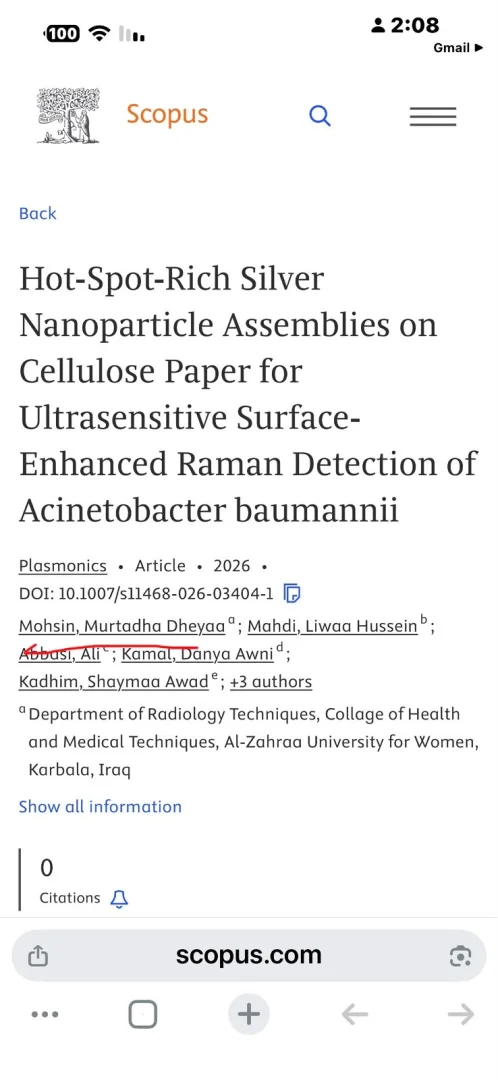
A New Scientific Achievement: Scopus-Indexed Research Published by Mr. Murtadha Dheyaa Mohsin
As part of its commitment to supporting scientific research and promoting distinguished academic productivity, Mr. Murtadha Dheyaa Mohsin, a faculty member in the Department of Radiological Techniques at the College of Health and Medical Technologies, has achieved a new scientific milestone through the publication of a research article in the prestigious international journal Plasmonics, which is indexed in the Scopus database.
Research Title
Hot-Spot-Rich Silver Nanoparticle Assemblies on Cellulose Paper for Ultrasensitive Surface-Enhanced Raman Detection of Acinetobacter baumannii
Publication Information
Journal: Plasmonics
Publication Year: 2026
Study Overview and Technological Innovation
The study focused on the development of a flexible, low-cost substrate based on Surface-Enhanced Raman Spectroscopy (SERS) by immobilizing silver nanoparticles (AgNPs), synthesized using the Tollens chemical method, onto cellulose filter paper.
This innovative design generated a high density of plasmonic hot spots, significantly amplifying the Raman signal through the Localized Surface Plasmon Resonance (LSPR) effect, thereby enhancing the sensitivity and reliability of bacterial detection.
Key Findings
The developed SERS substrate demonstrated outstanding performance for the rapid and accurate detection of Acinetobacter baumannii, an opportunistic pathogenic bacterium responsible for healthcare-associated infections. The study achieved the following notable results:
-
Ultra-high sensitivity and low limit of detection (LOD): Successful detection of bacterial concentrations as low as 10¹ CFU.
-
Wide detection range: Effective quantitative detection across concentrations ranging from 10¹ to 10¹⁰ CFU.
-
High enhancement factor: The Raman signal enhancement factor reached 2.41 × 10⁶.
-
Excellent reproducibility and stability: The relative standard deviation (RSD) was only 4.31%, demonstrating remarkable signal uniformity and excellent substrate performance.
Practical Significance
The proposed sensing platform represents a promising and practical approach for biosensing and early medical diagnostics due to its simple fabrication process, low production cost, rapid detection capability, and high flexibility. These advantages make it a strong candidate for the rapid identification of bacterial pathogens in hospitals, clinical laboratories, and biomedical diagnostic applications.
The Deanship of the College of Health and Medical Technologies extends its sincere congratulations to Mr. Murtadha Dheyaa Mohsin and the collaborating research team on this distinguished scientific achievement. The College wishes them continued success and excellence in advancing scientific research and contributing to the development of higher education and the scientific community.
Attachments
Latest News and Activities



Related Posts
Further reading and related articles you may find useful.
 College News
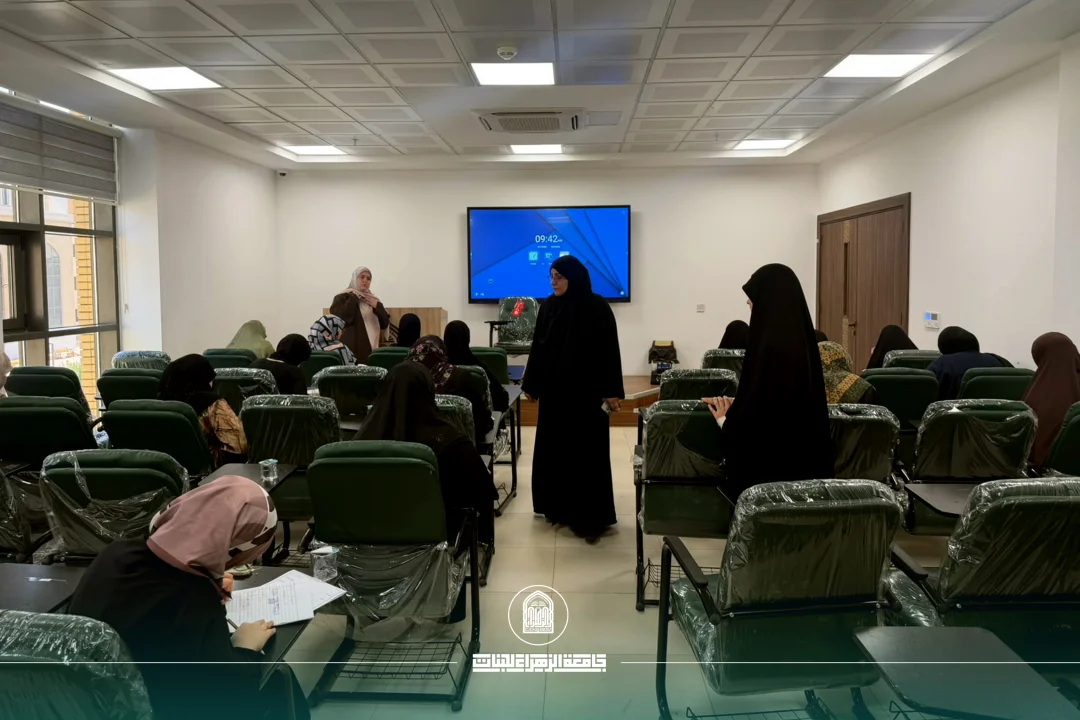
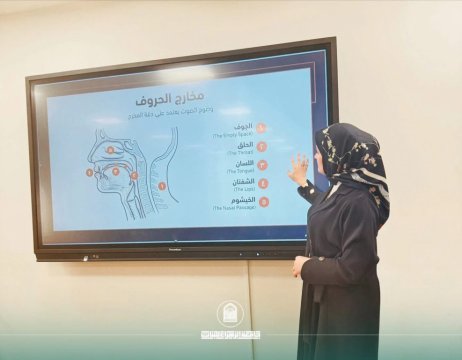
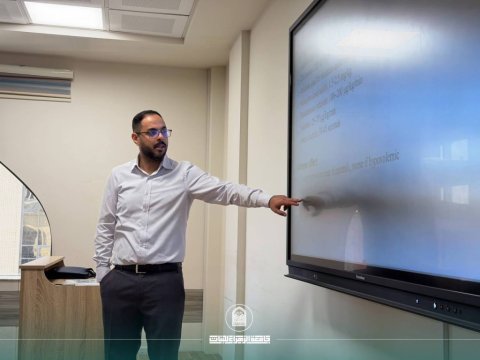
Training Workshop on Effective Presentation and Public Speaking Organized by the College of Health and Medical Technologies
The Department of Radiology and Sonography Technologies at the College of Health and Medical Technologies at Al-Zahraa University for Women organized a training workshop titled “Effective Presentation and Public Speaking.” The session was delivered by Assistan...
 College News
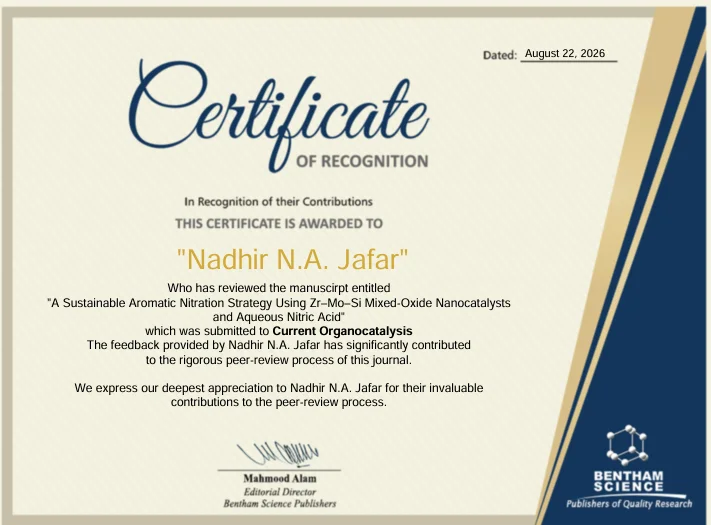
An International Scientific Assignment for Professor Dr. Nadhir Najm Abdullah Al-Qatrani from Bentham Science Publishers
International Scientific Recognition for Professor Dr. Nadhir Najm Abdullah Al-Qatrawani by Bentham Science Publishers With great pride, we are pleased to highlight that Professor Dr. Nadhir Najm Abdullah Al-Qatrawani has been entrusted by the internationally...
 College News
Workshop on Preparation of Intravenous Anesthetic Drugs
Under patronage of President of Al-Zahraa University for Women, Prof. Dr. Zainab Al-Sultani, and supervision of Dean of College of Health and Medical Technologies, Assist. Prof. Dr. Ali Al-Khafaji, Department of Anesthesia Techniques organized a scientific wor...